Narrow staircases on Bishop's Bridge Rd: safe removal tips
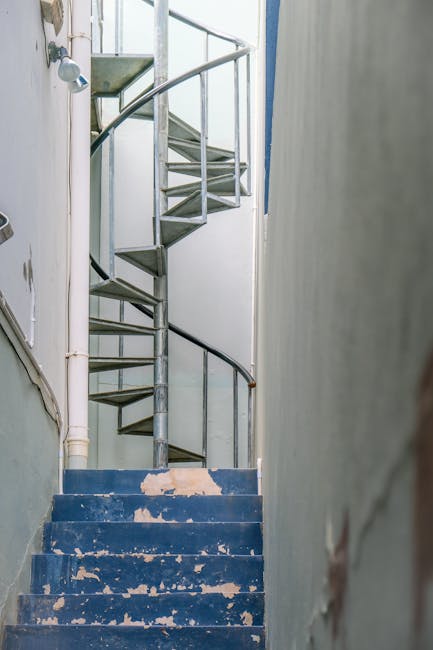
If you have ever tried to move a sofa, wardrobe, bed frame, or washing machine up or down a tight Victorian staircase, you already know the feeling: the corners look smaller than they did in the hallway, the landing seems to shrink by the second, and suddenly everyone is standing still, thinking. Narrow staircases on Bishop's Bridge Rd: safe removal tips are not just about muscle. They are about planning, timing, protection, and choosing the right method before anything gets scratched, trapped, or dropped.
This guide breaks the process down in plain English. You will learn how to assess the staircase, how to remove bulky items without drama, where the real risks sit, and when a professional team is the safer call. We will also cover practical checks, common mistakes, and a realistic comparison of removal approaches so you can make a sensible decision for your home or business near Bishop's Bridge Rd.
To be fair, most moving problems on narrow stairs are not caused by the object itself. They happen because someone starts too late, measures too little, or forgets that one awkward turn halfway up the stairs is the real boss of the job. Let's fix that.
Why Narrow staircases on Bishop's Bridge Rd: safe removal tips Matters
Narrow staircases create a specific kind of moving challenge. The space is limited, the angles are unforgiving, and there is usually very little room for correction once the item is in motion. On Bishop's Bridge Rd, where many buildings have compact entrances, older stair runs, and tight internal turns, the risk is often less about heavy lifting and more about controlled movement.
Safe removal matters because a small error can become an expensive one. A scuffed wall, cracked banister, pinched finger, strained back, or damaged appliance can turn a routine move into a stressful repair job. And that is before you factor in the awkwardness of getting an item stuck halfway down the stairs. Nobody enjoys that silence. It is never a good silence.
There is also a practical side. A careful approach saves time. It sounds odd, but slowing down at the start often makes the whole job quicker. Why? Because measured lifting, clear communication, and proper protection reduce stop-start chaos. Fewer interruptions. Less backtracking. Fewer "hang on, try it sideways" moments.
For local homes, flats, converted buildings, and small offices, the key challenge is usually not distance. It is access. That is why removal planning should start at the staircase, not the van. If you are comparing moving support, it can help to review a company's health and safety approach and its insurance and safety information before booking anything ambitious.
How Narrow staircases on Bishop's Bridge Rd: safe removal tips Works
The basic idea is simple: you reduce risk by breaking the move into smaller, controlled decisions. First you measure the item and the staircase. Then you identify where the awkward point is likely to be. After that, you protect the route, assign roles, and move the item using a method that suits the space rather than fighting it.
In practice, safe removal on a narrow staircase usually follows four stages:
- Assessment: measure the item, the stair width, the landing size, the turn radius, and the door openings.
- Preparation: remove detachable parts, wrap fragile surfaces, and clear the route.
- Movement: use controlled lifting, communication, and the correct angle for turns or descents.
- Finish: check for damage, carry out a final sweep, and reassemble items only when they are safely in place.
The staircase itself decides a lot. Straight stairs are one thing. Stairs with a half landing or tight bend are another. Old plaster, narrow handrails, low ceilings, and irregular tread depth can make a normal-looking move surprisingly technical. If you know that before you start, you can choose the right number of helpers and the right equipment.
And yes, sometimes the safest answer is simply that the item should not be forced up the stairs at all. A wardrobe that fits "technically" can still be too risky to manoeuvre cleanly. Truth be told, "it might fit" is not the same as "it will go safely."
Key Benefits and Practical Advantages
Using a safe, structured method for narrow staircases gives you more than just peace of mind. It improves the move in several practical ways.
- Less damage: walls, skirting boards, stair edges, and item surfaces are better protected.
- Lower injury risk: controlled handling reduces strain on backs, shoulders, wrists, and knees.
- Faster problem-solving: if a turn is tight, you already have a plan instead of improvising under pressure.
- Better coordination: everyone knows where to stand, when to lift, and who gives instructions.
- Cleaner finish: you are less likely to leave a trail of chips, marks, or scuffed paint behind you.
There is another benefit that people often overlook: confidence. Once the route is clearly mapped, the whole job feels more manageable. You stop guessing. That makes a big difference, especially in an older London property where stairs can be deceptive. They look simple until you carry something large into them. Then they become, well, a bit of a puzzle.
For anyone arranging a move in a busy area, clear planning also reduces disruption to neighbours or building users. That matters in shared entrances, small blocks, and mixed-use properties where time, noise, and access all need a bit of thought.
Who This Is For and When It Makes Sense
This guidance is useful for a wide range of people. Homeowners moving furniture, tenants leaving a flat, landlords replacing appliances, and small businesses relocating office items can all run into the same staircase problem.
It makes particular sense if you are dealing with any of the following:
- Victorian or Edwardian staircases with tight turns
- Maisonettes and upper-floor flats with limited landing space
- Converted buildings with unusual internal layouts
- Large or delicate furniture such as wardrobes, tables, sofas, and bed frames
- Appliances that are heavy, awkward, or both
- Last-minute removals where the item still needs to be protected properly
This is also relevant if you are trying to decide whether to manage the move yourself or hire help. If you have a friend who says, "It'll be fine, we just need to angle it a bit," that may be true. Or it may be the beginning of a long afternoon. Use judgment. Narrow stairs reward realism.
For readers who want a fuller sense of the company behind these services, the about us page gives useful background, while the contact page is the place to ask questions about access, access routes, and service fit before moving day.
Step-by-Step Guidance
If you want a safe removal on a narrow staircase, follow a process. Not a guess. Not a last-minute push-and-pray situation. A process.
- Measure the item first. Record height, width, depth, and diagonal length if needed. Remove legs, doors, shelves, or other detachable parts where possible.
- Measure the staircase. Check stair width, headroom, landing size, and the tightest turn. Don't forget door frames at the top and bottom.
- Clear the route. Move rugs, stands, baskets, shoes, and anything else that can catch a foot. A clear path is quieter, safer, and less nerve-racking.
- Protect surfaces. Use blankets, edge guards, or corner protection where the item or staircase is likely to touch walls. Even a clean lift can leave a mark if the angle is off.
- Assign roles. One person should guide, one or more should lift, and nobody should shout conflicting instructions. Mixed messages on stairs are a bad idea.
- Test the route with empty hands. Walk the path, note the turn points, and check where you may need to pause.
- Lift with control. Keep the item close to the body where possible, bend at the knees, and move slowly. If the item begins to tilt unexpectedly, stop.
- Use the right angle for corners. Often the item must be tipped, rotated, or carried vertically for part of the journey. That depends on the shape and the stairs, so do not force a single method on every move.
- Pause before the tricky section. This is usually the landing or the first turn. Reset grip, check footing, then continue.
- Inspect after the move. Look for scratches, loose fittings, or hidden damage before you reassemble anything.
A small but useful detail: if you are moving something with glass, polished wood, or a painted finish, handle the item as if every contact point will show. Because on a narrow staircase, it often will.
Expert Tips for Better Results
There are a few habits that make a big difference, especially on Bishop's Bridge Rd where access can be cramped and time windows may be tight.
- Take the item apart whenever practical. A bed base or wardrobe that is dismantled carefully is usually far easier to move than a fully assembled one.
- Use proper lifting gloves if grip is slippery. This is not about looking professional. It is about holding on properly when the surface is awkward.
- Protect the stair nose and bannister corners. These are the points that tend to get scuffed first.
- Keep communication short and clear. "Lift," "pause," "turn," and "down" work better than long explanations once you are on the stairs.
- Allow for rest breaks on larger items. Fatigue leads to sloppy movement. Sloppy movement leads to damage. Simple chain, really.
- Check weather and footwear. Wet soles and stair edges are not friends.
A useful rule of thumb: if the item needs force to begin its movement, stop and reassess. Force is often a sign that the method is wrong, not that you are failing. There is no prize for being stubborn on a staircase.
If you are booking professional support, ask whether the team uses route assessment, protection materials, and covered transport. You can also review pricing and quotes guidance to understand how the job may be priced and what affects the final figure.
Common Mistakes to Avoid
Narrow staircase removals tend to go wrong in a few predictable ways. Avoiding these mistakes is half the battle.
- Not measuring properly. Guessing by eye is one of the quickest ways to end up with an item stuck on a landing.
- Leaving the route cluttered. Small items on stairs can cause trips, slips, or just awkward foot placement.
- Using too few people. Two people may be enough for a light item, but a bulky piece often needs more control, not more enthusiasm.
- Forcing the turn. If the shape does not fit the movement, trying harder usually makes things worse.
- Skipping protection. Even careful handling can scrape paint or dent edges if surfaces are left bare.
- Talking over each other. Too many instructions at once cause hesitation. And hesitation on stairs is awkward at best.
One less obvious mistake is ignoring the ceiling height above the landing. A staircase can be wide enough, but if headroom tightens at the turn, the item may still need a different carry angle. That catches people out more than you might think.
Another one: assuming every object should be moved upright. Sometimes the safest route is tilted, rotated, or partially dismantled. The "normal" way is not always the right way.
Tools, Resources and Recommendations
You do not need a truckload of specialist equipment for every move, but a few practical tools make narrow staircase removals much safer.
- Measuring tape: essential for item dimensions, stair width, and landing checks.
- Furniture blankets and wraps: useful for protecting surfaces during contact and transport.
- Corner guards or edge protection: helpful in older properties with delicate paintwork.
- Straps or carry harnesses: can improve balance and grip for heavier, awkward items when used correctly.
- Gloves with good grip: especially helpful for smooth, slippery, or dusty items.
- Head torches or bright lighting: surprisingly useful in dim stairwells and compact entrances.
Beyond equipment, the most useful resource is a realistic plan. Write down the item, route, and likely pinch points before moving day. A quick sketch on paper can save a surprising amount of stress. Bit old-fashioned, perhaps, but it works.
If sustainability matters to you, ask how packing waste, unwanted furniture, and old materials are handled. The recycling and sustainability information can help you understand what happens to materials after a move or clearance.
Law, Compliance, Standards, or Best Practice
For domestic removals and small business moves, the main concern is usually safe working practice rather than a single rulebook for narrow stairs. In the UK, employers and contractors are generally expected to manage risk sensibly, use suitable equipment, and reduce avoidable harm. That means planning the route, using safe lifting techniques, and making sure people are not put in a position where they have to improvise under pressure.
Good practice also includes:
- carrying out a reasonable access assessment before the move
- using enough trained people for the size and weight of the item
- protecting property where contact is likely
- stopping the job if the route becomes unsafe
- keeping communication clear and calm
If you are arranging a move through a provider, it is sensible to check their service terms, safety approach, and payment details in advance. That is not just paperwork. It helps everyone understand expectations. The terms and conditions and payment and security information are useful places to start.
For peace of mind, it is also worth confirming whether the company has a straightforward complaints route if something does not go to plan. Nobody wants to use it, obviously, but it is better to know it exists. You can review the complaints procedure if you want to understand that side of the customer journey.
Options, Methods, or Comparison Table
There is no single best method for every narrow staircase. The right choice depends on the object, the stair layout, and how much room you have to work with. Here is a practical comparison.
| Method | Best for | Advantages | Limitations |
|---|---|---|---|
| Manual carry with protection | Smaller furniture, boxed items, lighter loads | Simple, quick, cost-effective | Limited by weight and awkward turns |
| Partial dismantling | Wardrobes, beds, tables, larger furniture | Often the safest way through tight landings | Requires tools, time, and careful reassembly |
| Specialist handling with straps | Heavy or bulky items with stable grip points | Improves control and balance | Needs experience; not suitable for everything |
| Two-person controlled move | Moderate loads where the route is narrow but predictable | Good balance of efficiency and safety | Can still fail if the staircase is unusually tight |
| Professional removal support | Complex access, valuable items, or time-sensitive moves | Less risk, better protection, clearer process | Usually costs more than doing it yourself |
In many cases, the most sensible option is not the strongest one but the one that reduces risk fastest. That is a useful way to think about it, especially if the item is awkward, valuable, or simply too big for a confident DIY move.
Case Study or Real-World Example
Here is a realistic example based on the kind of move people often face near Bishop's Bridge Rd. A couple living in a top-floor flat needed to remove a large three-seater sofa through a narrow staircase with one tight turn and a small landing. The sofa was technically light enough for two people, but its width made the corner the real issue.
Instead of trying to force it straight through, they measured the sofa first and removed the feet. They wrapped the frame, protected the walls at the landing, and walked the route empty before lifting anything. When the sofa reached the turn, one person guided from the bottom while the other adjusted the angle from above. It still took patience. About twenty minutes longer than they expected, in fact. But the sofa came out without damage, the banister stayed intact, and nobody had to wrestle a stuck armrest at shoulder height. Which, honestly, is a win.
The useful lesson? The staircase did not become easier. The process became smarter. That is the real difference between a stressful move and a controlled one.
Practical Checklist
Use this checklist before you start.
- Measure the item, including detachable parts
- Measure staircase width, landing space, and door frames
- Check ceiling height at the turn
- Clear all loose items from the route
- Protect walls, corners, and stair edges
- Confirm how many people are needed
- Assign one clear person to direct movement
- Prepare blankets, straps, gloves, and lighting
- Decide in advance whether dismantling is needed
- Stop and reassess if the item resists movement
- Inspect for damage once the item is out
- Keep important documents, valuables, and keys separate from the moving route
Practical summary: On narrow staircases, the safest removal strategy is usually measured, protected, and deliberate. If an item feels like a squeeze before the first lift, it will not improve halfway up the stairs.
If you are still deciding how to handle a tricky access job, a quick conversation can save a lot of grief later. For booking or advice, the best next step is to get in touch here and explain the staircase, item size, and timing needs clearly.
Get a free quote today and see how much you can save.
Conclusion
Narrow staircases on Bishop's Bridge Rd demand more than strength. They need planning, patience, and a realistic eye for access. When you measure properly, protect the route, remove detachable parts, and move with control, you dramatically reduce the chance of damage or injury. That is true whether you are shifting one heavy item or handling a larger household move.
The best removals feel almost uneventful from the outside. That is the goal. No drama, no marks on the wall, no sudden wobble on the landing. Just a careful job done properly, with everyone still speaking to each other at the end. A small thing, maybe. But a good one.
If your move is looking awkward, treat that as a sign to plan more carefully, not to rush. The stairs will still be there in ten minutes. And that little pause can make all the difference.
Frequently Asked Questions
What is the safest way to move furniture up a narrow staircase?
The safest approach is to measure everything first, clear the route, protect walls and corners, and move the item slowly with enough people to control it. If the item is bulky, dismantling part of it is often the safest option.
How do I know if a sofa will fit on a narrow staircase?
Measure the sofa's full dimensions, then compare them with stair width, landing size, and headroom at the turn. If the sofa only fits by forcing it, that is a warning sign rather than a plan.
Should I dismantle furniture before trying the stairs?
Usually, yes, if the item allows it. Removing legs, doors, shelves, or bed slats can make a huge difference. Dismantling reduces awkward angles and lowers the risk of damage.
How many people do I need for a narrow staircase removal?
It depends on the item, but two people is often the minimum for anything bulky. Larger or more awkward items may need a third person to guide, protect, or steady the move.
What tools help most with tight stair removals?
Measuring tape, blankets, gloves, corner protection, straps, and good lighting are the most useful basics. You do not need fancy gear, but you do need the right basics in place.
What should I do if the item gets stuck on the landing?
Stop moving immediately. Reassess the angle, check for trapped corners or bad grip points, and try again only when everyone is coordinated. Forcing it usually makes the situation worse.
Is it worth hiring professionals for a narrow staircase on Bishop's Bridge Rd?
If the item is heavy, valuable, or awkwardly shaped, professional support is often worth it. You are paying for controlled handling, better protection, and less stress. That can be a very fair trade.
How can I protect the walls during a removal?
Use blankets, foam, or edge protection on the parts of the staircase most likely to make contact. Pay special attention to corners, bannisters, and narrow turns where items tend to swing.
What is the most common mistake with narrow staircases?
Skipping measurements. People often assume the item will fit because it looks close enough. On a narrow staircase, "close enough" is usually not close enough.
How long does a narrow staircase removal usually take?
There is no fixed time because access, item size, and preparation all matter. A simple item may take only a few minutes, while a larger piece can take much longer if dismantling or protection is needed.
Can I move appliances like a washing machine on a narrow stairwell?
Yes, but with care. Appliances are heavy, awkward, and difficult to grip. Make sure the route is clear and that enough people are available to keep the load steady from start to finish.
What should I check before booking a removal service?
Look at the company's safety approach, service terms, pricing guidance, and insurance details. If anything is unclear, ask before the move. A proper check now can save a lot of hassle later.
What happens if my property access is more difficult than expected?
Any decent team should reassess the plan rather than forcing the move. Sometimes that means changing the lifting method, removing more parts, or agreeing a different approach on the day.