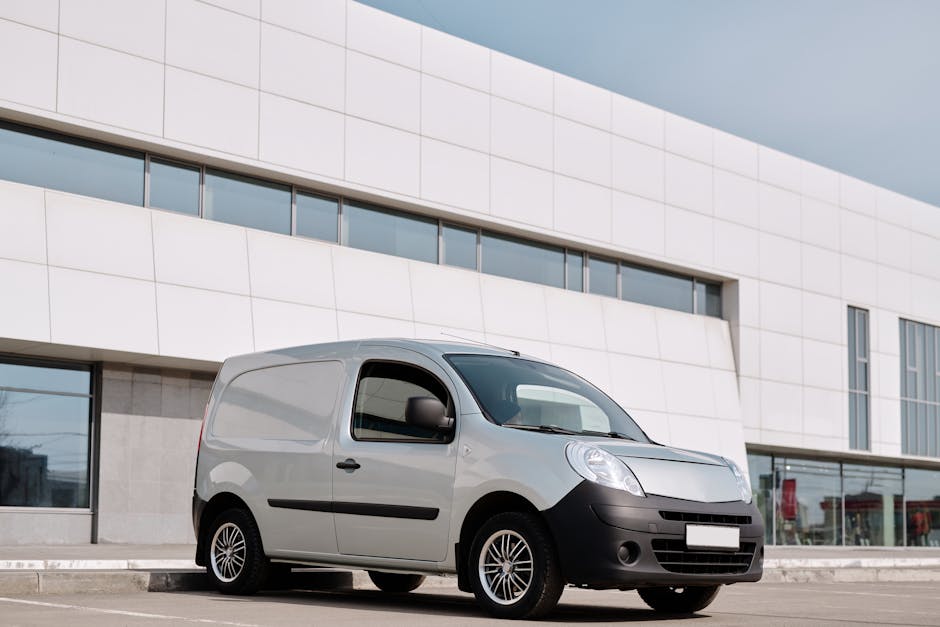
Compare van hire vs man-and-van for Paddington offices
If you are planning an office move in Paddington, the choice often comes down to van hire or a man-and-van service. On paper, they can look similar. In real life, though, they solve slightly different problems. That matters a lot when you are moving desks down a narrow stairwell, clearing files before a Monday morning, or trying to keep a small team working with minimal disruption.
This guide will help you compare van hire vs man-and-van for Paddington offices in a practical, no-nonsense way. We will look at how each option works, where the real costs tend to appear, which one suits different office sizes, and how to avoid the common mistakes that turn a simple move into a long, noisy headache. To be fair, office moves are rarely glamorous. But they can be straightforward if you choose the right setup.
And yes, Paddington has its own quirks: tight access, busy roads, lift constraints, parking pressure, and buildings that seem to have been designed by someone who never had to move a filing cabinet. So the right choice is not just about the cheapest quote. It is about how smoothly the move actually happens.
Table of Contents
- Why Compare van hire vs man-and-van for Paddington offices Matters
- How Compare van hire vs man-and-van for Paddington offices Works
- Key Benefits and Practical Advantages
- Who This Is For and When It Makes Sense
- Step-by-Step Guidance
- Expert Tips for Better Results
- Common Mistakes to Avoid
- Tools, Resources and Recommendations
- Law, Compliance, Standards, or Best Practice
- Options, Methods, or Comparison Table
- Case Study or Real-World Example
- Practical Checklist
- Conclusion
- Frequently Asked Questions
Why Compare van hire vs man-and-van for Paddington offices Matters
Office moves are not like picking up a sofa or shifting a single room. There are usually more moving parts: IT kit, monitors, boxed stationery, printers, chairs, archived paperwork, and the awkwardly heavy things nobody notices until they have to be carried. A small mismatch between the service you book and the job you actually need can lead to extra trips, extra labour, or staff having to step in at the worst possible time.
In Paddington, that risk is even more noticeable because office buildings can vary wildly. One floor might have lift access and a loading bay. The next might mean carrying everything through shared corridors or working around strict building management rules. So when you compare van hire vs man-and-van for Paddington offices, you are really comparing control, labour, speed, and stress.
Van hire usually gives you the vehicle only, or vehicle plus a basic rental arrangement. Man-and-van typically gives you transport plus at least one experienced mover who helps load and unload. That difference sounds small. It is not small on moving day.
Expert summary: If your office has more than a handful of items, tight access, fragile equipment, or staff who cannot afford to spend half a day lifting boxes, man-and-van often delivers better value than van hire alone. If you already have labour sorted and just need a vehicle, van hire can still make sense.
The key is understanding what you are paying for. Cheap can be expensive if it means delays, damaged equipment, or lost work time. And in an office context, lost work time has a way of becoming the real bill.
How Compare van hire vs man-and-van for Paddington offices Works
Let's strip it right back. Van hire is the rental of a vehicle, usually with the expectation that you or your team will do the lifting, loading, driving, and unloading. Depending on the supplier, you may collect the van and return it later, or it may come with a driver but not a full moving team. In a business move, that means the burden of organisation stays with you.
Man-and-van is more hands-on. A mover arrives with the van and helps with the moving work itself. That can include carrying boxes, dismantling or repositioning basic furniture where agreed, and managing the move in a more coordinated way. For many Paddington offices, that extra pair of hands is the difference between a smooth transition and a scramble.
Here is the practical distinction:
- Van hire = transport-first, labour-light, better for teams who can self-manage the move.
- Man-and-van = transport plus moving labour, better for busy offices and tighter spaces.
With van hire, you are often the project manager, loader, and risk manager all at once. That is fine if you already have the people and the time. With man-and-van, you are buying experience and convenience as much as transport. In an office setting, that can be surprisingly valuable.
Think about the day itself. A van sits downstairs while staff try to decide who is carrying the monitor arms, who has the box labels, and whether that awkward pedestal drawer will fit through the lift door. With man-and-van, there is usually more confidence from the start because the move is being handled by people who do it often. It is a calmer atmosphere, and that matters more than people admit.
Key Benefits and Practical Advantages
Different offices need different things, so there is no one perfect answer. Still, the benefits of each option are fairly clear once you look past the headline price.
Advantages of van hire
- More control over the move if your team already knows exactly what needs shifting.
- Can be cost-effective for very small office moves or one-off deliveries.
- Useful for internal team-led relocations where staff are available and comfortable handling boxes.
- Flexible for repeat trips if you have multiple drop-offs or a staged move.
Advantages of man-and-van
- Less physical strain on your staff.
- Faster loading and unloading because the moving work is shared.
- Better for awkward office layouts, stairs, and tight access points.
- More practical for delicate items such as monitors, printers, and compact storage units.
- Lower coordination burden for your office manager or operations lead.
One thing that often gets overlooked is morale. Staff may not complain at first, then two hours later they are carrying archive boxes and trying not to scratch the walls. You can almost hear the mood change. A man-and-van setup tends to reduce that friction, especially in a small office where everyone wears several hats already.
If you are preparing ahead, pairing the move with proper packing support and sturdy boxes can make either option work better. That is one of those simple steps that pays off more than people expect.
Who This Is For and When It Makes Sense
Van hire is usually best when the move is very small and you already have people to do the carrying. For example, a two-person studio moving a few chairs, a printer, and some monitors within Paddington might manage fine with a hired van if access is easy and everyone is available.
Man-and-van tends to suit:
- small businesses moving a modest office setup
- agencies or consultancies with limited staff time
- offices in buildings with stairs, narrow corridors, or tricky loading
- companies moving outside normal working hours
- teams that want the move done quickly with less disruption
If your office is relocating as part of a bigger commercial change, it may be worth looking at commercial moving support or broader office relocation services rather than trying to stitch the whole thing together yourself. That is especially true if you are moving multiple departments, sensitive equipment, or a lot of paperwork.
Let's face it, some moves are only "small" on paper. The moment you add plant pots, laptop stands, a shredder, five boxes of cables, and that one team member who still insists on keeping paper files, the job gets bigger fast.
Man-and-van also becomes more attractive if you need a same-day or short-notice solution. In those cases, a service like same-day removals can be a practical safety net when plans suddenly change.
Step-by-Step Guidance
Here is a sensible way to decide between the two options without overthinking it.
- List everything that needs moving. Be specific. Count desks, chairs, monitors, printers, boxes, and anything fragile.
- Check access at both sites. Measure doorways if needed, note lifts, loading restrictions, and parking limitations.
- Decide who will load and unload. If the answer is "probably the office team," pause and reconsider. That is not always a great idea.
- Estimate the time window. If the move must happen fast or outside normal hours, labour support usually helps.
- Compare the real cost. Do not just look at hire price. Include staff time, delays, parking, and the risk of damage.
- Choose the service that matches the task. Use van hire if you need the vehicle and already have labour. Use man-and-van if you want a more complete moving solution.
- Prepare the office properly. Label boxes, back up devices, disconnect equipment, and keep essentials separate.
When planning the packing stage, packing and unpacking services can save time and reduce mistakes. It is not always necessary, but it can be a real relief when the office is busy and nobody has the spare hour to wrap cables properly.
If you are unsure which option matches your space, a quick chat about pricing and quotes is usually the cleanest next step. A proper quote should reflect your actual needs, not a vague guess. That sounds obvious, but you would be surprised.
Expert Tips for Better Results
A good office move is mostly about preparation, timing, and not underestimating the boring details.
- Book around building access rules. Some Paddington offices have loading restrictions, concierge checks, or time windows for moves.
- Protect the floor and walls. Even a small office can suffer from scuffed corners and door-frame damage if you rush.
- Use colour-coded labels. A simple colour system for departments or rooms saves loads of time on unloading.
- Keep one essentials box per team. Chargers, keys, contact lists, tape, and basic tools should not disappear into the main pile.
- Disconnect IT in advance. If possible, have one person responsible for cables and devices. It avoids the classic "whose monitor is this?" moment.
- Choose the right size van. Too small means multiple trips. Too large may be awkward on busy streets and not worth the waste.
A small but useful habit: take a few photos of desks, cable setups, and shared equipment before dismantling anything. Nothing fancy, just your phone. On reassembly day, those pictures can save a lot of muttering.
If sustainability matters to your business, you may also want to think about recycling and sustainability when clearing old furniture, packaging, or redundant office items. It is a good way to keep the move tidy and responsible.
Common Mistakes to Avoid
The biggest mistake is assuming that the cheapest option is automatically the best fit. It rarely is. A van hire deal can look attractive until you realise your staff are spending half a day lifting furniture instead of serving clients or answering emails.
Other common mistakes include:
- Underestimating the volume of items. Offices collect clutter quietly. It sneaks up on you.
- Ignoring access issues. A short distance on the map does not matter if the lift is tiny and the parking is awkward.
- Not planning for fragile items. Monitors, glass desks, and storage units need extra care.
- Failing to assign responsibility. If everyone is responsible, nobody is responsible.
- Forgetting to build in buffer time. Delays happen. Doors stick, traffic slows, and one box always goes missing for a moment.
- Skipping insurance checks. You want to understand what is covered before moving day, not after.
If you want a more complete service structure, it can help to compare options alongside office removals and broader removal services. That gives you a better sense of what level of support is genuinely available for your office size and complexity.
Tools, Resources and Recommendations
You do not need a fancy project management stack to move an office well. A simple setup usually works best.
- Inventory sheet: list items by room or department.
- Box labels: room name, contents, and priority level.
- Floor plan: even a rough sketch helps on delivery day.
- Basic toolkit: screwdrivers, tape, scissors, zip ties, marker pens.
- Contact list: building manager, key staff, mover, IT lead, and landlord if relevant.
It also helps to know your building rules before move day. Some offices need lift booking slots, proof of insurance, or notice to building management. If you are working with a professional mover, ask how they usually handle access and scheduling. The answer tells you a lot.
If you are comparing service types more broadly, the site's man-and-van service information and removal van page can help you understand the practical difference between a simple vehicle booking and a more supportive moving arrangement. For larger loads, the moving truck and removal truck hire options may be more appropriate.
That said, the best resource is still a clear list of your own items and a realistic move plan. Boring, yes. Effective, also yes.
Law, Compliance, Standards, or Best Practice
Office moves in the UK do not usually require complicated legal steps, but they do need sensible compliance and good practice. You should think about safety, insurance, data protection, and building rules. That is especially true if you are moving confidential files, IT equipment, or bulky furniture through shared spaces.
Best practice usually includes:
- Manual handling awareness: do not ask staff to lift items they should not be lifting.
- Clear access planning: prevent obstruction in corridors, lifts, and shared entrances.
- Equipment protection: wrap and secure fragile items properly.
- Insurance checks: confirm what is covered for goods in transit and loading/unloading.
- Data security: keep sensitive records and devices controlled throughout the move.
Where relevant, use a mover that can explain its approach to safety and liability in plain English. The pages on insurance and safety and the health and safety policy are useful reference points when you want to understand expectations before booking. That sort of clarity matters. It really does.
For payment confidence and general booking reassurance, it is also sensible to review payment and security and the terms and conditions. Not exciting reading, granted, but useful if you want fewer surprises later.
Options, Methods, or Comparison Table
The table below gives a simple side-by-side comparison for Paddington office moves. It is not about theory. It is about what tends to happen on the day.
| Factor | Van hire | Man-and-van |
|---|---|---|
| Labour | You or your team handle most lifting and loading | Moving help included, reducing staff effort |
| Best for | Very small, simple office moves | Small to medium office moves with practical support needs |
| Speed | Can be quick if your team is organised | Usually faster because the loading is shared |
| Stress level | Higher if staff are juggling work and moving | Lower, because the moving work is less on your team |
| Access challenges | Harder to manage with stairs, lifts, and parking pressure | Better suited to awkward access and busy buildings |
| Cost structure | Lower headline price, but staff time adds hidden cost | Higher upfront cost, often better overall value |
| Risk of damage | Can rise if inexperienced staff move heavy items | Usually lower thanks to experienced handling |
There is another angle worth mentioning. If your office move is really part of a wider business transition, you may find it useful to think in terms of removals rather than just transport. That shift in thinking helps people plan properly instead of assuming the car-boot strategy will somehow work for a whole office. It usually does not.
Case Study or Real-World Example
Picture a small design agency in Paddington moving from a shared workspace into a nearby office. The team has six staff, a couple of desks, monitors, office chairs, a printer, boxes of client samples, and a few shelves of books. The old office has limited parking, and the new one has a lift, but only one lift, and it is not exactly roomy.
If they choose van hire, they would need to load everything themselves, coordinate the van return, and keep the workday going at the same time. That sounds manageable right up until the first heavy chair, then the first box of sample folders, then the awkward pause when nobody wants to carry the printer down the stairs.
With man-and-van, the team can focus on labelling, checking devices, and getting back to work sooner. The mover handles the heavy lifting and the awkward bits. One staff member still oversees the move, of course, but not in the same exhausted way. By late afternoon, the agency is more likely to be set up, rather than still surrounded by half-open boxes and a roll of tape that has vanished into the void.
That is the real difference. Not just price. Not just vehicle size. It is how much of the disruption lands on your team.
For a move like that, a linked approach using office relocation services, packing and boxes, and a suitable vehicle option would usually feel much more controlled. Less chaos, fewer crossed wires.
Practical Checklist
Use this checklist before you decide between van hire and man-and-van for your Paddington office.
- Have you listed every item that needs moving?
- Do you know the access conditions at both locations?
- Are lifts, stairs, and parking available at the right time?
- Do staff need to be at their desks instead of lifting boxes?
- Are there fragile or high-value items to protect?
- Do you need help loading, unloading, or both?
- Have you checked what insurance and support are included?
- Is the move happening outside working hours or at short notice?
- Have you budgeted for the real cost, not just the van rate?
- Do you have labels, tape, and a clear room plan?
If you can answer "yes" to most of the practical questions and your team has time to spare, van hire may be enough. If the answers are mixed, or if the move needs to stay calm and efficient, man-and-van is often the better fit.
And if you need a bit more storage breathing room during the transition, storage can take the pressure off while you sort out the final layout. Sometimes that small buffer changes everything.
Conclusion
When you compare van hire vs man-and-van for Paddington offices, the right choice usually comes down to labour, access, and how much disruption your business can comfortably absorb. Van hire is a decent option for tiny, simple moves where your team can do the heavy lifting. Man-and-van is often the safer, calmer, and more practical choice when time is tight, access is awkward, or staff need to stay focused on work.
For most Paddington offices, the question is not simply "Which is cheaper?" It is "Which option gets the job done with the fewest problems?" That is a much better question, and honestly, it saves people a lot of grief. A good move should feel organised, not heroic.
Get a free quote today and see how much you can save.
Choose the option that protects your time, your equipment, and your sanity. That is usually the one that wins in the end.
Frequently Asked Questions
Is van hire cheaper than man-and-van for an office move?
Usually the headline price for van hire is lower, but that does not always mean it is cheaper overall. Once you factor in staff time, loading effort, and the risk of delays, man-and-van can be better value for office moves.
What is the biggest difference between van hire and man-and-van?
The biggest difference is labour. Van hire gives you the vehicle, while man-and-van adds moving help. For offices, that extra help often makes the whole process much smoother.
Which option is better for a small Paddington office?
If the office is very small and your team can handle the work, van hire may be enough. If the building is awkward, the items are bulky, or staff time is limited, man-and-van is usually the more practical choice.
Can man-and-van handle desks, chairs, and monitors?
Yes, in most cases it can. It is a common option for small office furniture and boxed equipment. You should always mention anything fragile, unusually heavy, or awkwardly shaped before booking.
Is van hire suitable if my office has stairs?
It can be, but only if your team is confident handling the lifting. Stairs make the move more tiring and more risky. In that situation, man-and-van is often the safer call.
Do I need office removals rather than a simple van booking?
If the move is more than a few items, or if you have deadlines, sensitive equipment, or building access issues, office removals or a man-and-van service is often a better fit than vehicle-only hire.
How far in advance should I book?
The earlier the better, especially if you want a specific day or need to work around office hours. For short notice, a same-day or flexible moving option may be more realistic.
What should I prepare before the movers arrive?
Label boxes, disconnect equipment, clear walkways, and make sure someone is available to direct the move. A simple inventory and a room plan will save time on both sides.
Is insurance important for an office move?
Yes. It is sensible to check what cover is included for goods in transit and loading/unloading. For business equipment, that reassurance is worth having before anything moves.
Can I use storage if the new office is not ready?
Yes, storage can be a very useful short-term solution if there is a gap between leaving one site and settling into the next. It gives you breathing space instead of rushing decisions.
What if my move needs to happen outside normal working hours?
That is common in office moves. Man-and-van is often helpful in this situation because the labour support reduces pressure on your own team and helps the move finish more efficiently.
How do I know whether van hire or man-and-van is right for me?
Ask three questions: how much is moving, who is doing the lifting, and how much disruption can your office tolerate? If any of those answers are uncertain, man-and-van is usually the safer and easier option.